Should You Review Your Home Loan? A Mortgage Check-Up Could Save You More
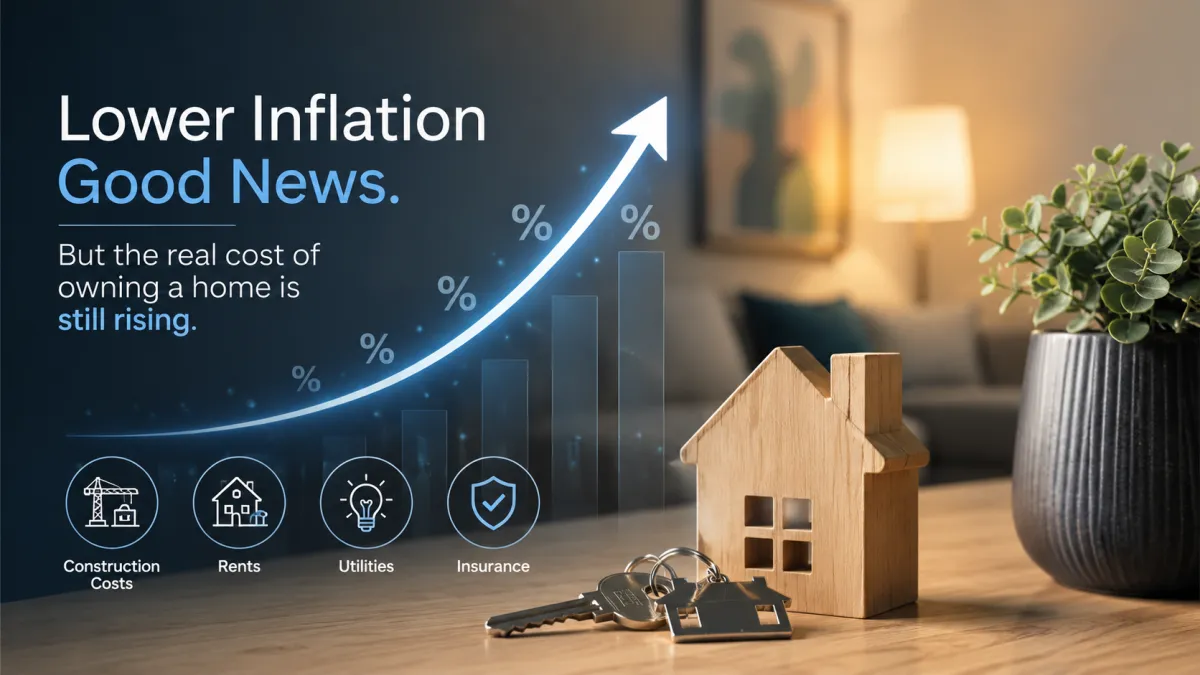
Inflation Is Easing, but the Cost of Owning a Home Remains High
There has been some encouraging news for Australian households, with annual inflation easing to 3.8%. Slower inflation is a positive sign for the economy and may reduce some of the pressure on future interest rate decisions.
However, while overall inflation is moving in the right direction, the cost of owning and maintaining a home remains elevated. Housing-related expenses—including new home construction, rents, utilities and insurance—continue to be among the biggest contributors to inflation.
For current homeowners and those planning to buy, it's a reminder that mortgage repayments are only one part of the total cost of home ownership.
Why Lower Inflation Matters
Inflation measures how quickly the prices of goods and services are increasing across the economy.
When inflation begins to ease, it can bring several benefits, including:
Reduced pressure on household budgets
Greater stability in the economy
Improved consumer confidence
A more favourable environment for future interest rate decisions
Although inflation remains above the Reserve Bank of Australia's target range, recent improvements are a welcome step towards greater economic stability.
Housing Costs Are Still Rising

Despite lower overall inflation, housing-related costs continue to place significant pressure on Australian households.
These include:
New Home Construction
Building costs remain higher than pre-pandemic levels due to ongoing labour shortages, material costs and supply chain challenges.
For buyers considering building a new home, construction expenses remain an important factor when budgeting.
Rental Costs
Rental markets across many Australian cities continue to experience strong demand and limited supply.
This has contributed to higher rents, affecting both tenants and property investors.
Utilities
Electricity, gas and water costs remain a significant household expense for many Australians.
While some prices have stabilised, utility bills continue to represent a growing share of household budgets.
Home Insurance
Insurance premiums have increased in many parts of Australia due to rising repair costs, severe weather events and higher replacement values.
For homeowners, insurance is becoming a larger ongoing ownership expense.
Home Ownership Is More Than a Mortgage
Many buyers naturally focus on loan repayments when calculating affordability.
However, owning a home also involves several ongoing costs, including:
Council rates
Utilities
Home insurance
Maintenance and repairs
Body corporate fees (where applicable)
Property management costs for investors
Understanding these expenses can help buyers create a more realistic long-term budget.
Why Total Ownership Costs Matter
A home that appears affordable based solely on monthly repayments may become more expensive once ongoing ownership costs are included.
Before purchasing, it's worth considering:
Your monthly mortgage repayments
Expected utility bills
Insurance costs
Maintenance expenses
Emergency savings
Future interest rate changes
Looking at the complete financial picture can help reduce financial stress after settlement.
What This Means for Borrowers
Lower inflation may improve confidence that borrowing conditions are gradually stabilising.
However, borrowers should remain mindful that interest rate decisions depend on a range of economic factors, not inflation alone.
Even if mortgage rates begin to ease in the future, higher housing-related expenses may continue to affect overall affordability.
This makes careful budgeting and financial planning more important than ever.
Is It Time to Review Your Home Loan?

Whether you're buying your first home, refinancing or investing, reviewing your finance regularly can help ensure your loan continues to meet your needs.
A mortgage review may help you:
Compare current lender offerings
Explore refinancing opportunities
Understand your borrowing capacity
Review your loan structure
Identify ways to improve cash flow
Even small improvements can make a meaningful difference over the life of a home loan.
The Bottom Line
Australia's easing inflation is encouraging news for borrowers and households, but the cost of owning a home remains under pressure.
Construction costs, rents, utilities and insurance continue to contribute significantly to household expenses, meaning buyers should consider the full cost of home ownership—not just their mortgage repayments.
Whether you're purchasing your first property or reviewing your existing loan, taking a comprehensive approach to budgeting can help you make more confident financial decisions in today's market.
General information only. This article is not financial or credit advice. Individual circumstances should always be considered before making financial decisions.
